
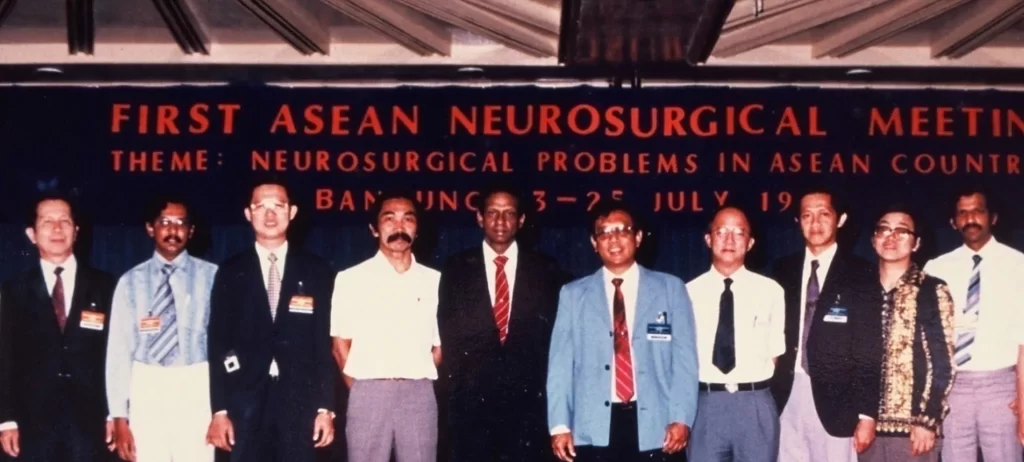
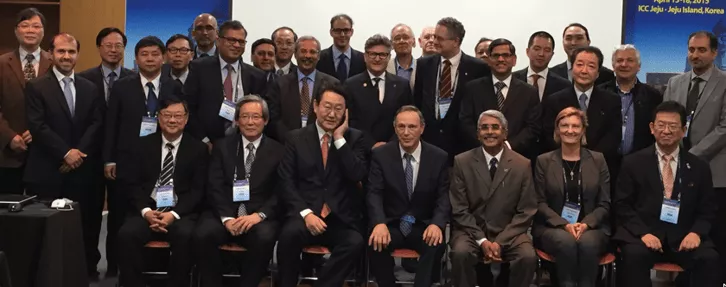
To capitalize on this momentum, a Steering Committee comprising Keith Bradley (Australia), Romeo Gustilo (Philippines), Omar Jooma (Pakistan), and Kentaro Shimizu (Japan) convened on October 17, 1961. Their discussions led to the creation of the Society’s aims, objectives, and Constitution. This marked the birth of the Asian Australasian Society of Neurological Surgeons (AASNS), which held its first scientific meeting in Canberra, Australia, in 1964.

The 1st Congress of the Asian Australasian Society of Neurological Surgeons (AACNS) took place from October 29 to 31, 1964, at the National Science Centre in Canberra, Australia. Presided over by Sir Douglas Miller, this landmark event heralded a new era of collaboration and knowledge-sharing in neurosurgery across the Asia-Pacific region.
The 2nd Asian Australasian Congress of Neurological Surgeons (AACNS) was held in Sydney, Australia, in 1968, under the leadership of Sir Douglas Miller, the inaugural President of the Asian Australasian Society of Neurological Surgeons (AASNS).
This Congress continued the mission of fostering collaboration and advancing neurosurgical education across the region. As the host city, Sydney provided the perfect platform for prominent neurosurgeons from Asia and Australasia to exchange ideas, share knowledge, and strengthen professional ties.
Sir Douglas Miller, a founding member of the AASNS, played a crucial role in shaping the early years of the Society. His dedication to advancing neurosurgery laid the foundation for future Congresses, inspiring generations of neurosurgeons to build upon this collaborative legacy.
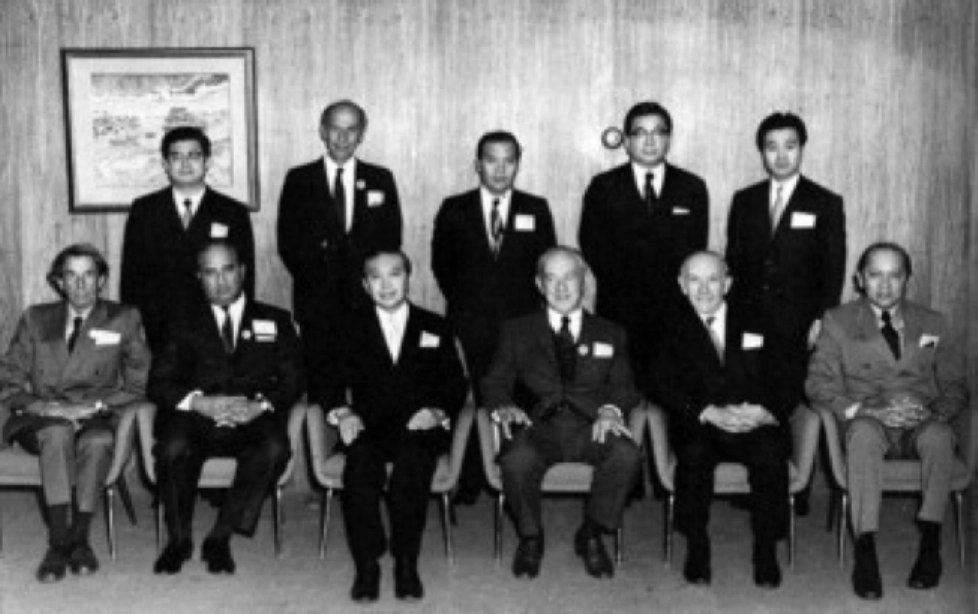
The 3rd Asian Australasian Congress of Neurological Surgeons (AACNS) was held in Tokyo, Japan, in 1971, marking a significant step in advancing neurosurgical education and collaboration in the region. This prestigious event was organized by Professor Keiji Sano, the second President of the Asian Australasian Society of Neurological Surgeons (AASNS), who played a pivotal role in fostering the society’s growth.
The 3rd President of the Asian Australasian Society of Neurological Surgeons (AASNS), Professor Charas Suwanwela of Thailand, led the Society into its next phase of growth and collaboration.
Under his presidency, the 4th AACNS was successfully organized in Bangkok, Thailand, in November 1975. This Congress continued the tradition of bringing together neurosurgeons from across the region to exchange knowledge and foster professional connections, further strengthening the Society’s mission.
Professor Suwanwela’s leadership and vision played a pivotal role in the continued development of neurosurgical education and collaboration in the Asian-Australasian region.
The 4th President of the Asian Australasian Society of Neurological Surgeons (AASNS), Dr. Romeo Gustilo of the Philippines, brought his extensive experience and dedication to the role.
Under Dr. Gustilo’s leadership, the 5th AACNS was held in Manila, Philippines, in November 1979. The Congress was a remarkable success, drawing 143 delegates from 20 countries.
This milestone event further solidified the Society’s commitment to advancing neurosurgical education, research, and collaboration across the Asian-Australasian region. Dr. Gustilo’s efforts helped to elevate the global profile of the AASNS and strengthened ties among neurosurgeons in the region.
The 5th President of the Asian Australasian Society of Neurological Surgeons (AASNS), Dr. Hsiang-Lai Wen of Hong Kong, brought a transformative vision to the Society during his tenure.
In November 1983, Dr. Wen organized the 6th AACNS in Hong Kong, a historic event in the Society’s timeline. For the first time, the AACNS was held as an independent meeting, separate from the joint gatherings traditionally held with the Asian-Australasian Congress of Neurology (AACN).
This separation marked a significant milestone, showcasing the growing prominence and maturity of the neurosurgical community within the region. Dr. Wen’s leadership paved the way for a more focused platform dedicated solely to advancing neurosurgery in the Asian-Australasian region.
In October 1991, Professor Choi organized the 8th AACNS in Seoul, Korea. The Congress was attended by 250 delegates, continuing the tradition of fostering collaboration and the exchange of knowledge in the neurosurgical field.
Professor Choi’s leadership during the 8th AACNS further reinforced the AASNS’s mission to advance neurosurgical education and research in the Asian-Australasian region.
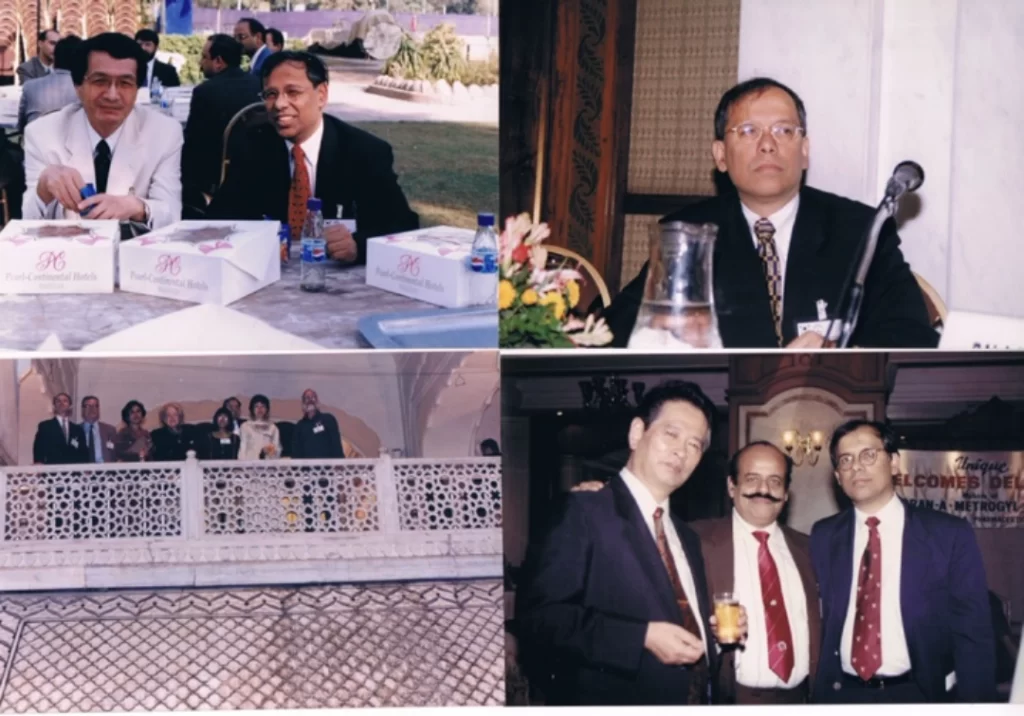
The 9th President of the Asian Australasian Society of Neurological Surgeons (AASNS), the late Professor Iftikhar Ali Raja of Pakistan, led the Society with great determination and vision during his presidency.
In November 1999, despite significant political turmoil in Pakistan due to a coup d’état just three weeks prior, Professor Raja successfully organized the 10th AACNS in Lahore. The event was a testament to the resilience of the neurosurgical community, with 402 delegates from 29 countries attending the Congress, demonstrating the global support and importance of the gathering.
Professor Raja’s leadership during this challenging period and the success of the 10th AACNS played a key role in further strengthening the AASNS’s position as a leading body for neurosurgical education, collaboration, and research in the region.
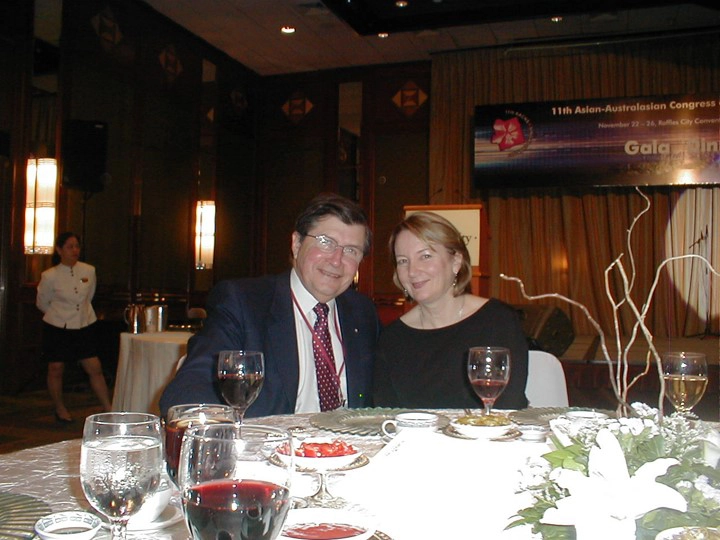
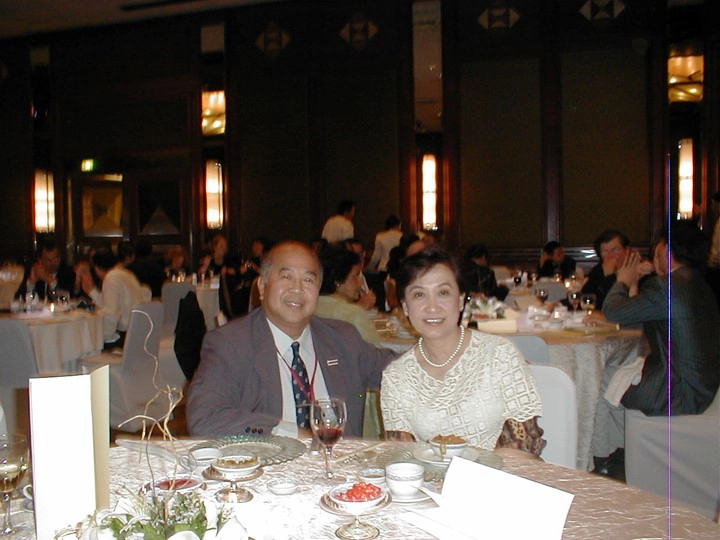
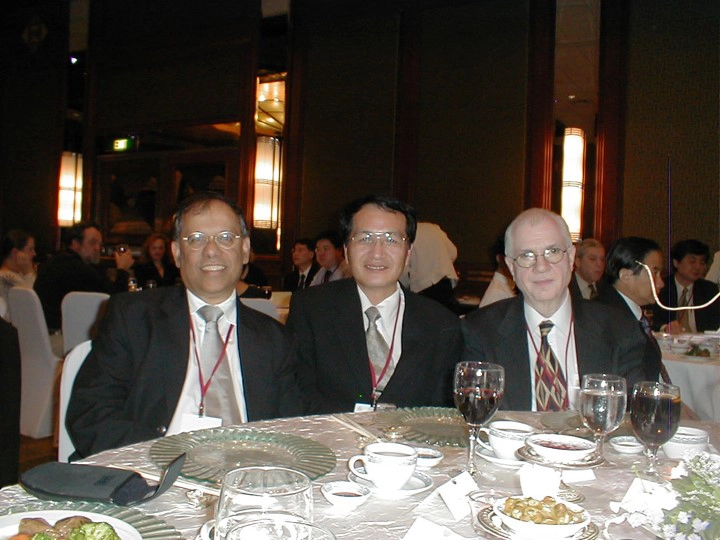
The 10th President of the Asian Australasian Society of Neurological Surgeons (AASNS), the late Professor Balaji Sadasivan of Singapore, played a pivotal role in advancing the Society’s mission during his tenure.
In November 2003, Professor Sadasivan organized the 11th AACNS in Singapore. Unfortunately, due to the global SARS epidemic, the attendance was limited, with only about 100 delegates able to attend. Despite these challenges, the Congress was held successfully, underscoring the commitment of the AASNS to continue fostering collaboration and knowledge-sharing in the neurosurgical community.
Professor Sadasivan’s leadership during a difficult time showcased his resilience and dedication, and his efforts helped maintain the AASNS’s momentum in advancing neurosurgical education and collaboration across the region.


The 11th President of the Asian Australasian Society of Neurological Surgeons (AASNS), Professor Tetsuo Kanno of Japan, led the Society with great dedication and foresight during his presidency.

In 2011, Professor Tu organized the 13th AACNS in Taipei, Taiwan. This Congress marked a significant milestone in the development of the Society’s educational initiatives. As President, Professor Tu spearheaded the creation of the AASNS education program and made a pivotal decision to invite Professor Basant Misra of India to serve as the Chair of the AASNS Education Committee.
Professor Tu’s leadership and vision for education within the AASNS laid a strong foundation for future advancements in neurosurgical training, education, and collaboration across the region.
The 13th President of the Asian Australasian Society of Neurological Surgeons (AASNS), Professor Andrew Kaye from Australia, continued to strengthen the Society’s educational mission during his presidency. Working closely with Professor Basant Misra, the Chair of the AASNS Education Committee, Professor Kaye further expanded the AASNS Education Courses, continuing the focus on advancing neurosurgical education across the region.
The 14th AACNS was organized by Professor KS Lee, who served as the Congress President. Under his leadership, the event continued the tradition of fostering collaboration and sharing the latest advancements in neurosurgery, with a focus on education, research, and best practices for the future of the field.
The efforts of both Professors Kaye and Misra, alongside the success of the 14th AACNS, further cemented the AASNS’s commitment to advancing neurosurgical care and education in the Asian-Australasian region.
The 2nd Asian Australasian Congress of Neurological Surgeons (AACNS) was held in Sydney, Australia, in 1968, under the leadership of Sir Douglas Miller, the inaugural President of the Asian Australasian Society of Neurological Surgeons (AASNS).
This Congress continued the mission of fostering collaboration and advancing neurosurgical education across the region. As the host city, Sydney provided the perfect platform for prominent neurosurgeons from Asia and Australasia to exchange ideas, share knowledge, and strengthen professional ties.
Sir Douglas Miller, a founding member of the AASNS, played a crucial role in shaping the early years of the Society. His dedication to advancing neurosurgery laid the foundation for future Congresses, inspiring generations of neurosurgeons to build upon this collaborative legacy.
The 3rd Asian Australasian Congress of Neurological Surgeons (AACNS) was held in Tokyo, Japan, in 1971, marking a significant step in advancing neurosurgical education and collaboration in the region. This prestigious event was organized by Professor Keiji Sano, the second President of the Asian Australasian Society of Neurological Surgeons (AASNS), who played a pivotal role in fostering the society’s growth.
The 3rd President of the Asian Australasian Society of Neurological Surgeons (AASNS), Professor Charas Suwanwela of Thailand, led the Society into its next phase of growth and collaboration.
Under his presidency, the 4th AACNS was successfully organized in Bangkok, Thailand, in November 1975. This Congress continued the tradition of bringing together neurosurgeons from across the region to exchange knowledge and foster professional connections, further strengthening the Society’s mission.
Professor Suwanwela’s leadership and vision played a pivotal role in the continued development of neurosurgical education and collaboration in the Asian-Australasian region.
The 4th President of the Asian Australasian Society of Neurological Surgeons (AASNS), Dr. Romeo Gustilo of the Philippines, brought his extensive experience and dedication to the role.
Under Dr. Gustilo’s leadership, the 5th AACNS was held in Manila, Philippines, in November 1979. The Congress was a remarkable success, drawing 143 delegates from 20 countries.
This milestone event further solidified the Society’s commitment to advancing neurosurgical education, research, and collaboration across the Asian-Australasian region. Dr. Gustilo’s efforts helped to elevate the global profile of the AASNS and strengthened ties among neurosurgeons in the region.
The 5th President of the Asian Australasian Society of Neurological Surgeons (AASNS), Dr. Hsiang-Lai Wen of Hong Kong, brought a transformative vision to the Society during his tenure.
In November 1983, Dr. Wen organized the 6th AACNS in Hong Kong, a historic event in the Society’s timeline. For the first time, the AACNS was held as an independent meeting, separate from the joint gatherings traditionally held with the Asian-Australasian Congress of Neurology (AACN).
This separation marked a significant milestone, showcasing the growing prominence and maturity of the neurosurgical community within the region. Dr. Wen’s leadership paved the way for a more focused platform dedicated solely to advancing neurosurgery in the Asian-Australasian region.
In October 1991, Professor Choi organized the 8th AACNS in Seoul, Korea. The Congress was attended by 250 delegates, continuing the tradition of fostering collaboration and the exchange of knowledge in the neurosurgical field.
Professor Choi’s leadership during the 8th AACNS further reinforced the AASNS’s mission to advance neurosurgical education and research in the Asian-Australasian region.
The 9th President of the Asian Australasian Society of Neurological Surgeons (AASNS), the late Professor Iftikhar Ali Raja of Pakistan, led the Society with great determination and vision during his presidency.
In November 1999, despite significant political turmoil in Pakistan due to a coup d’état just three weeks prior, Professor Raja successfully organized the 10th AACNS in Lahore. The event was a testament to the resilience of the neurosurgical community, with 402 delegates from 29 countries attending the Congress, demonstrating the global support and importance of the gathering.
Professor Raja’s leadership during this challenging period and the success of the 10th AACNS played a key role in further strengthening the AASNS’s position as a leading body for neurosurgical education, collaboration, and research in the region.
The 10th President of the Asian Australasian Society of Neurological Surgeons (AASNS), the late Professor Balaji Sadasivan of Singapore, played a pivotal role in advancing the Society’s mission during his tenure.
In November 2003, Professor Sadasivan organized the 11th AACNS in Singapore. Unfortunately, due to the global SARS epidemic, the attendance was limited, with only about 100 delegates able to attend. Despite these challenges, the Congress was held successfully, underscoring the commitment of the AASNS to continue fostering collaboration and knowledge-sharing in the neurosurgical community.
Professor Sadasivan’s leadership during a difficult time showcased his resilience and dedication, and his efforts helped maintain the AASNS’s momentum in advancing neurosurgical education and collaboration across the region.
The 11th President of the Asian Australasian Society of Neurological Surgeons (AASNS), Professor Tetsuo Kanno of Japan, led the Society with great dedication and foresight during his presidency.
The 12th President of the Asian Australasian Society of Neurological Surgeons (AASNS), Professor Yong-Kwang Tu of Taiwan, played a transformative role during his presidency.
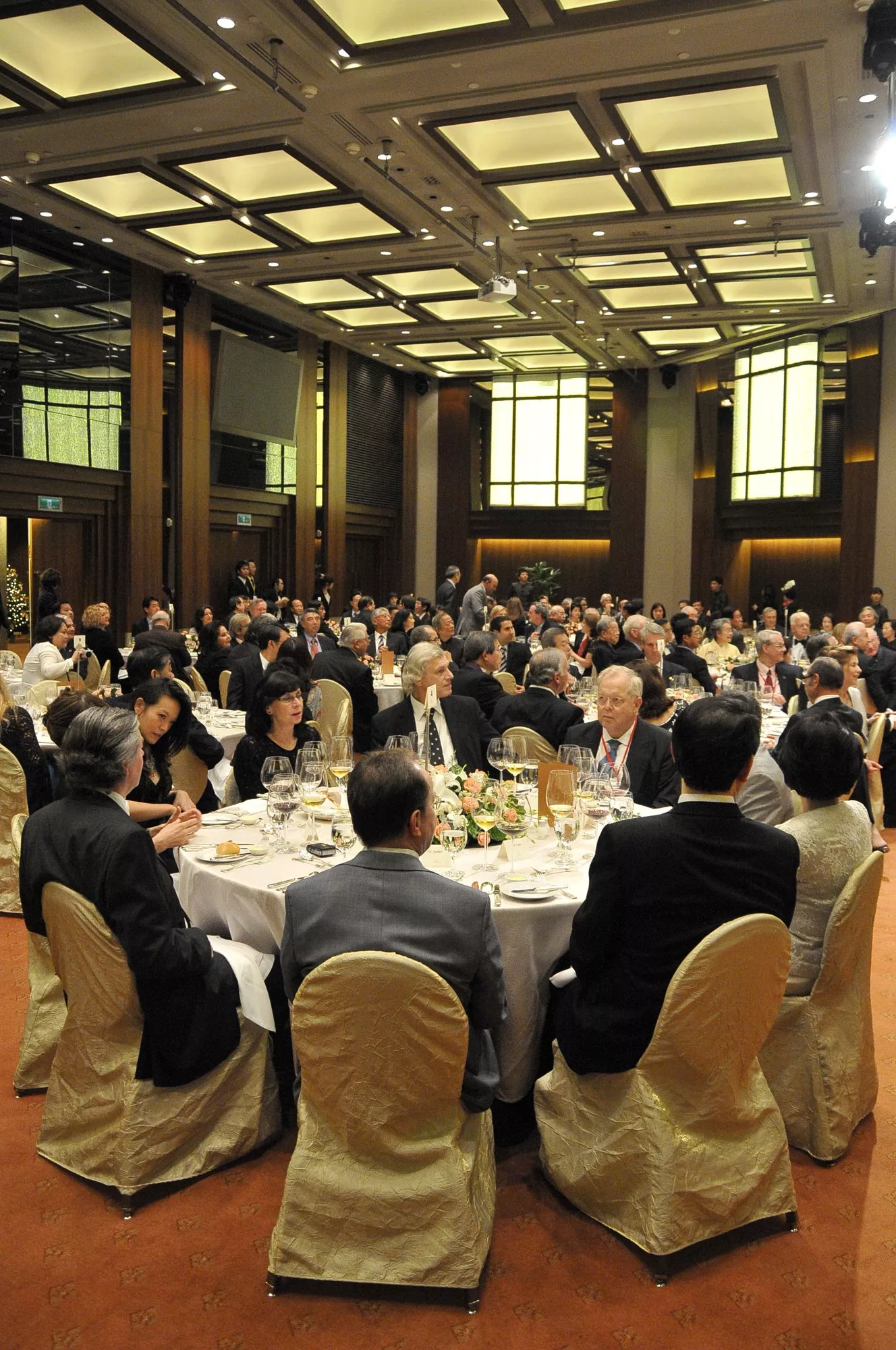
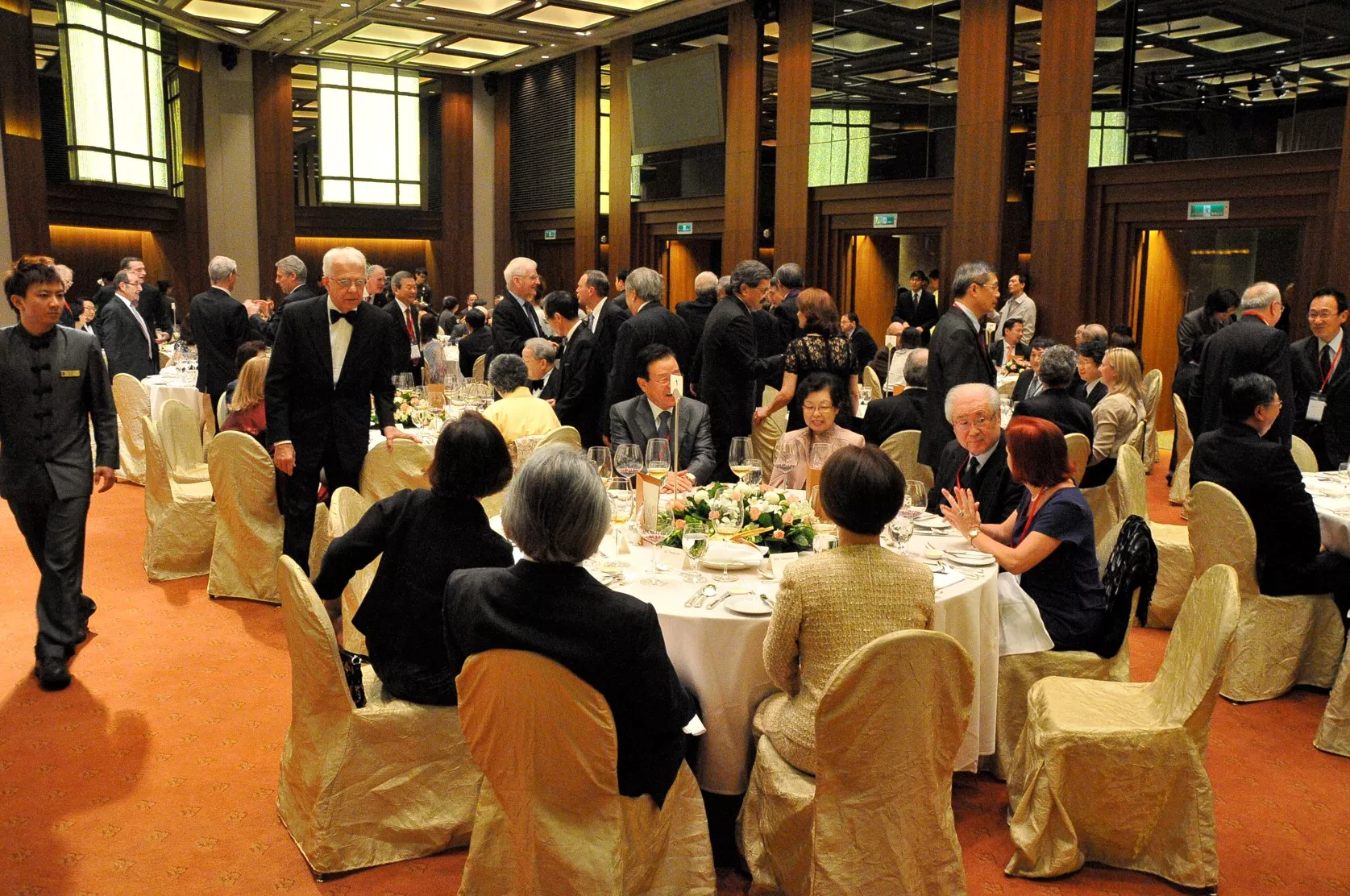
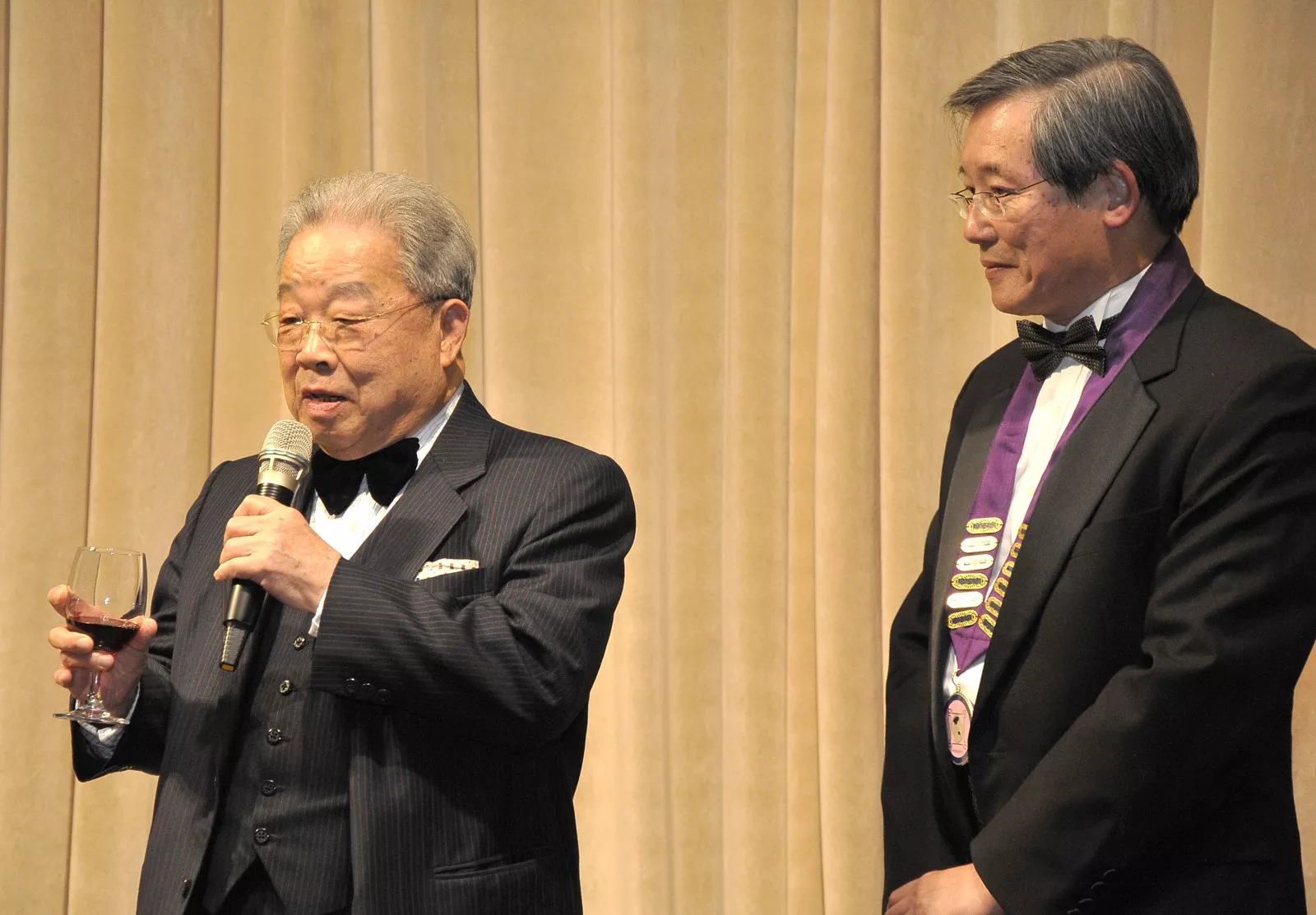
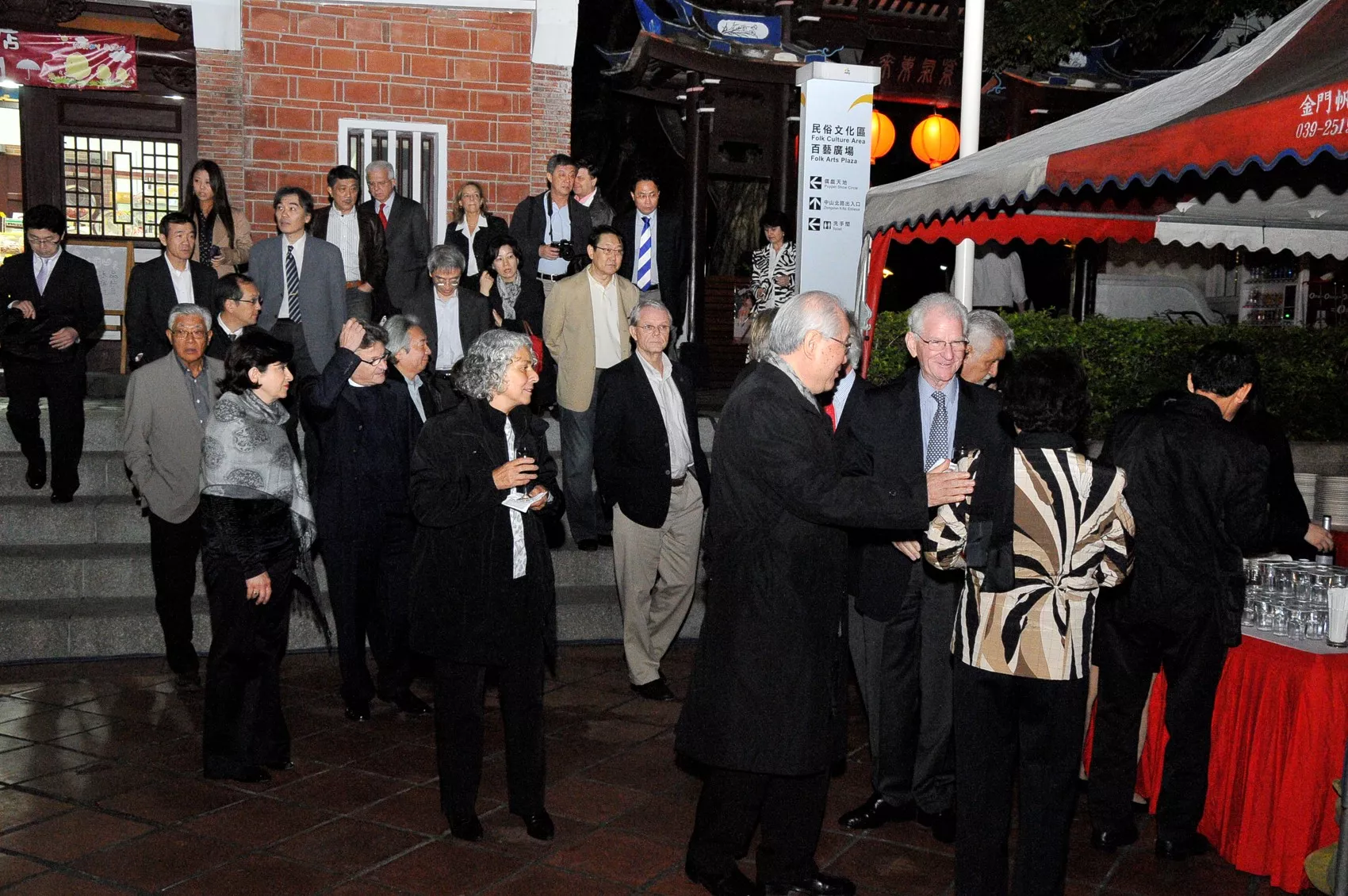
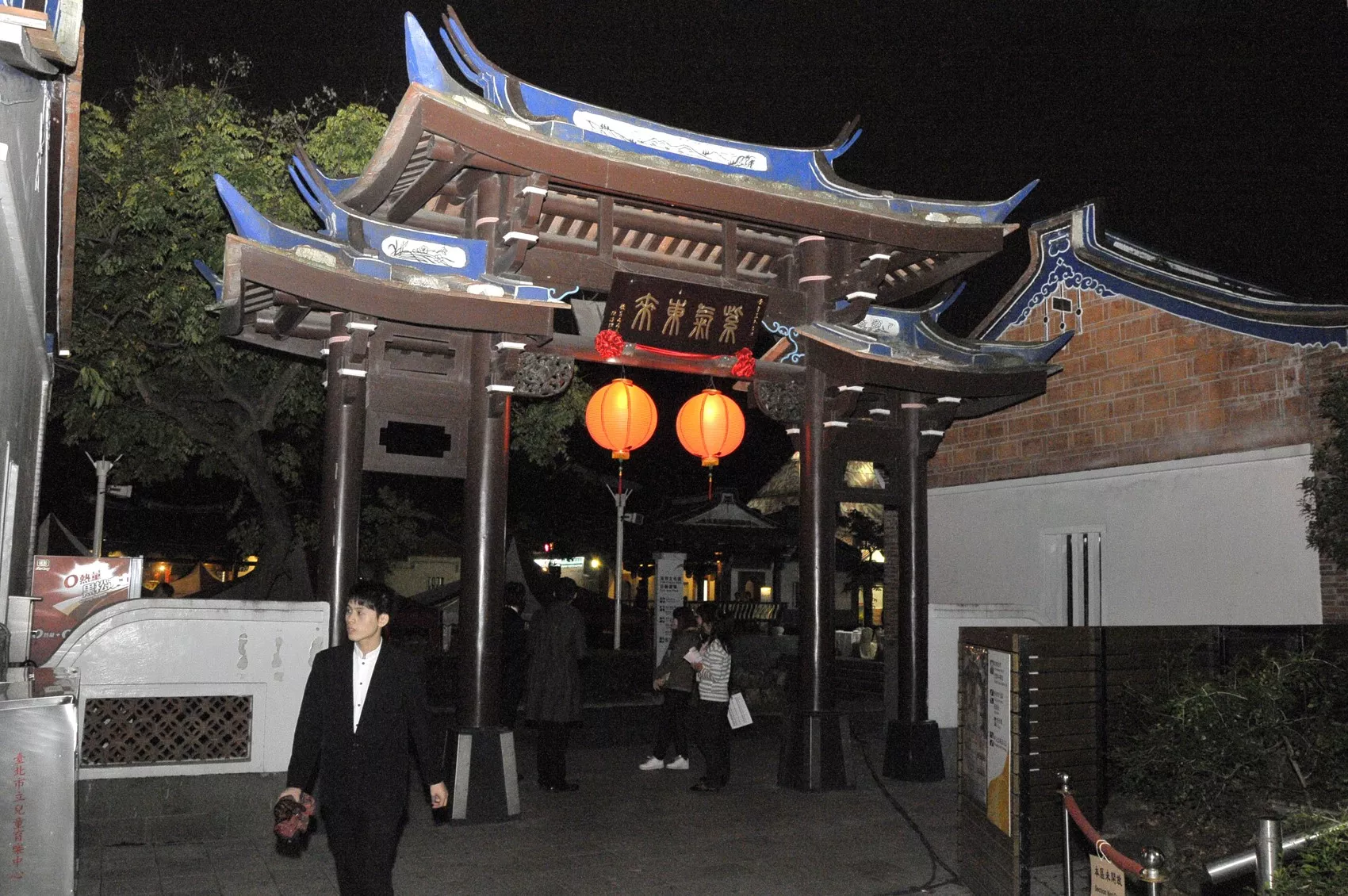
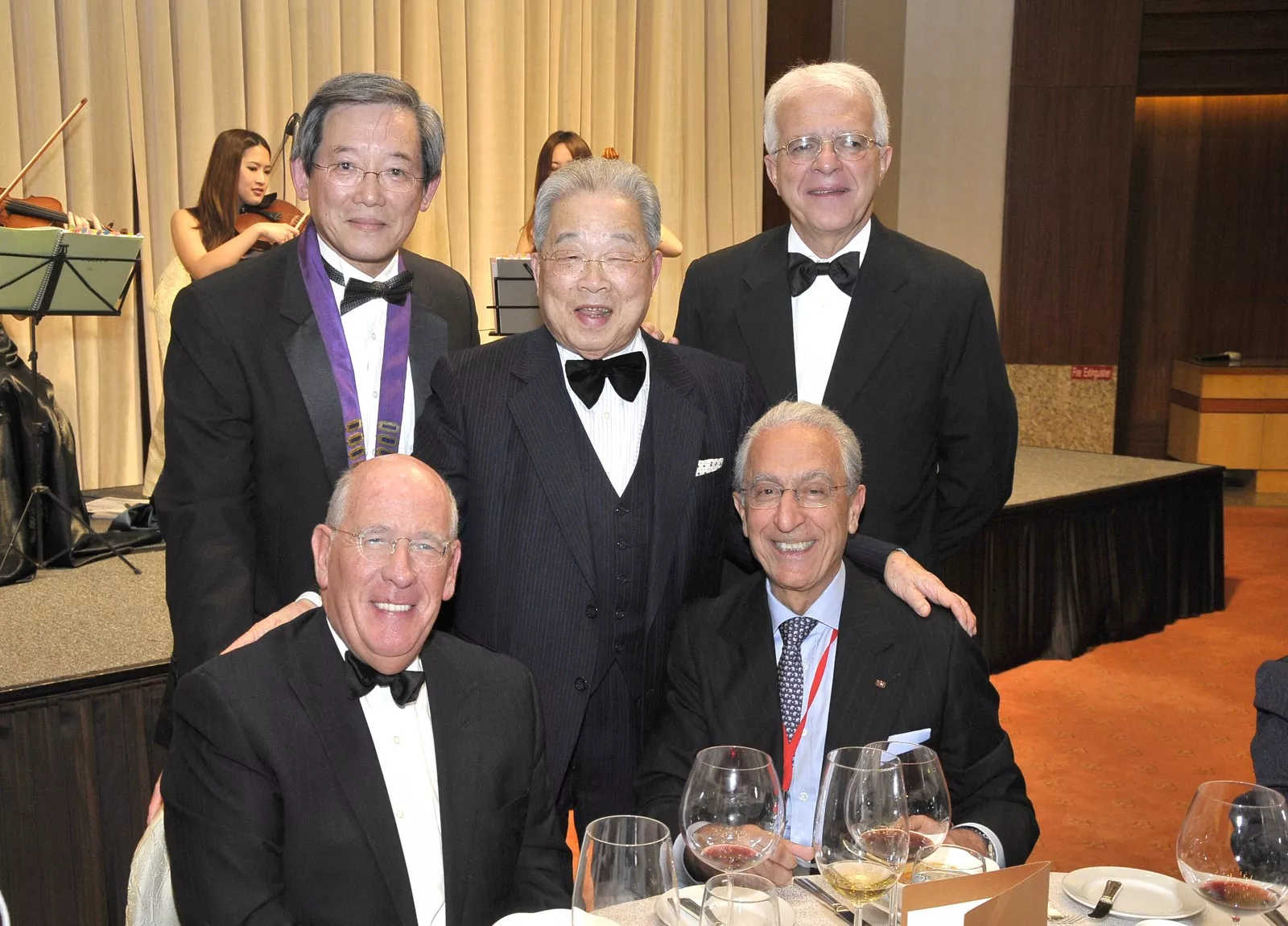
In 2011, Professor Tu organized the 13th AACNS in Taipei, Taiwan. This Congress marked a significant milestone in the development of the Society’s educational initiatives. As President, Professor Tu spearheaded the creation of the AASNS education program and made a pivotal decision to invite Professor Basant Misra of India to serve as the Chair of the AASNS Education Committee.
Professor Tu’s leadership and vision for education within the AASNS laid a strong foundation for future advancements in neurosurgical training, education, and collaboration across the region.
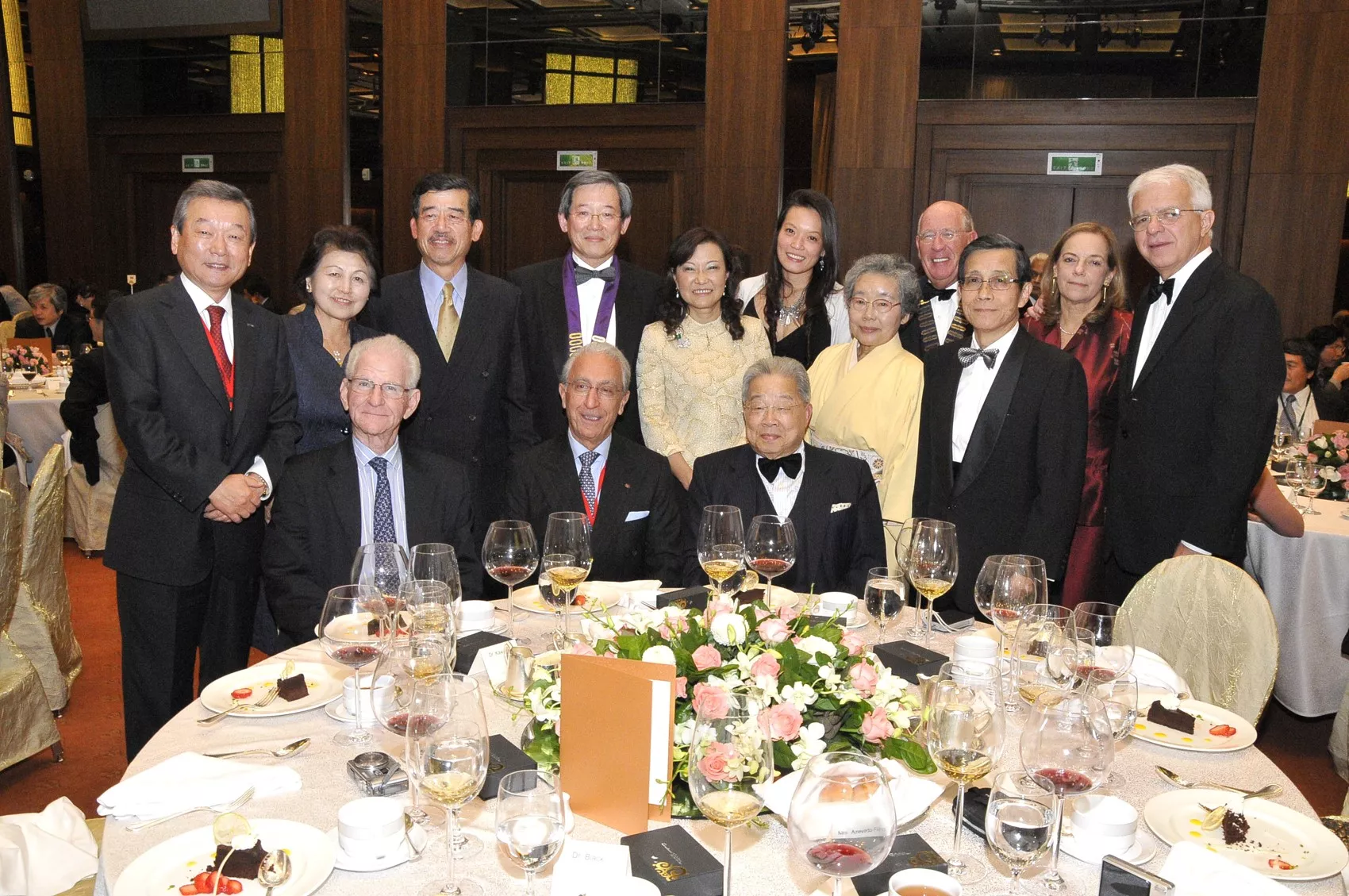



The 13th President of the Asian Australasian Society of Neurological Surgeons (AASNS), Professor Andrew Kaye from Australia, continued to strengthen the Society’s educational mission during his presidency. Working closely with Professor Basant Misra, the Chair of the AASNS Education Committee, Professor Kaye further expanded the AASNS Education Courses, continuing the focus on advancing neurosurgical education across the region.
The 14th AACNS was organized by Professor KS Lee, who served as the Congress President. Under his leadership, the event continued the tradition of fostering collaboration and sharing the latest advancements in neurosurgery, with a focus on education, research, and best practices for the future of the field.
The efforts of both Professors Kaye and Misra, alongside the success of the 14th AACNS, further cemented the AASNS’s commitment to advancing neurosurgical care and education in the Asian-Australasian region.