
List of the past presidents
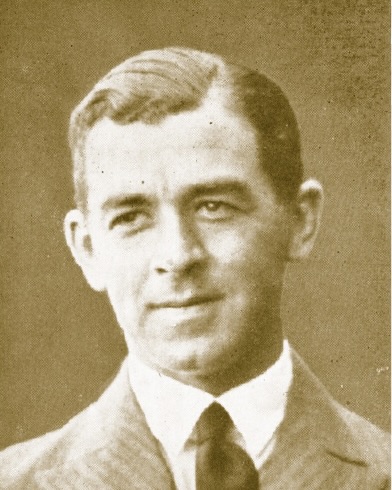
Sir Douglas Miller was a towering figure in Australian and Asian neurosurgery, whose influence shaped the field in the mid-20th century. After earning his English Fellowship in 1927, he returned to Sydney, working as a general surgeon and first assistant to Alexander MacCormick at St. Vincent’s Hospital. His interest in neurosurgery was sparked in 1932, leading him to spend a year in 1934 training as an apprentice under the renowned Hugh Cairns.
During World War II, Miller was stationed in the Middle East, where he served as Head of the British Centre for Head Injuries in Cairo, Egypt. His leadership extended to peacetime, where he became a founding member of the Neurosurgical Society of Australasia, established on April 19, 1940, by six Australian and two New Zealand neurosurgeons. He convened the Society’s first meeting and later served as its President from 1949 to 1950. Miller also held prominent positions as President of the Royal Australasian College of Surgeons (1957–1959) and President of the Asian Australasian Society of Neurological Surgeons (1964–1968). Additionally, he was the Editor of the Australian and New Zealand Journal of Surgery from 1958 to 1973.
Miller played a vital role in fostering international collaboration, particularly in the wake of World War II. Between 1956 and 1960, under the Colombo Plan, he conducted visits to Singapore, Malaya, India, and Thailand, and he served as Visiting Professor in Singapore in 1960. Recognizing his contributions to neurosurgery and international relations, he was knighted in 1961, receiving the Australian Honour of Knight Bachelor.
A close collaborator with Japanese neurosurgeons, Miller developed a strong friendship with Keiji Sano in Tokyo. At the Eighth Congress in Seoul, Japanese neurosurgeons announced the creation of a special gold medal in his honour. This medal was presented to Sir Douglas Miller on September 1, 1993, in Sydney, a testament to his enduring legacy in the neurosurgical community.
Sir Douglas Miller’s contributions to neurosurgery and his commitment to building international bridges left an indelible mark on the field. His mentorship and vision profoundly influenced neurosurgery in Australasia and beyond, inspiring generations of practitioners.
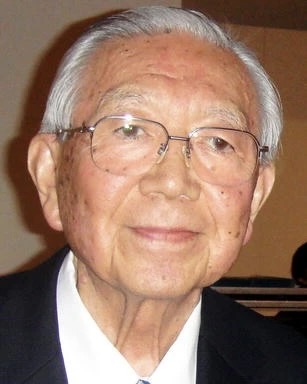
Professor Keiji Sano was a pivotal figure in the development of Japanese neurosurgery during the latter half of the 20th century. Born in Fujinomiya, Japan, in 1920, he began his medical career as a general surgeon before training under his mentor, Kentaro Shimizu. Sano further honed his expertise at the University of California under the guidance of Howard Christian Naffziger in the Department of Neurosurgery. Upon returning to Japan, he became the first Professor of Neurosurgery at Tokyo University, solidifying his role as a trailblazer in the field.
Sano’s leadership extended beyond academia. In 1965, he served as President of the Japanese Neurosurgical Society and was Chairman of the Board of Neurosurgery from 1967 to 1973. His influence reached an international scale when he became President of the Asian Australasian Society of Neurological Surgeons in 1968, chairing the Third Congress in Tokyo in 1971. He also made history as the first Australasian President of the World Federation of Neurosurgical Societies (WFNS) in 1969 and hosted the Fifth Congress in Tokyo in 1973.
A prolific researcher, Sano authored 629 papers, significantly advancing the understanding and treatment of neurological disorders. His work focused on thalamotomy for pain and behavioural disorders, glioblastoma treatment, and the embolization of arteriovenous malformations. Beyond his technical expertise, Sano was known for his profound knowledge of philosophy and languages, which he often shared during Congress meetings, reflecting a remarkable intellectual depth.
Keiji Sano passed away on January 6, 2011, at the age of 90. Widely regarded as the pioneer of modern neurosurgery in Japan, his contributions to the field and his legacy of leadership continue to inspire neurosurgeons worldwide.
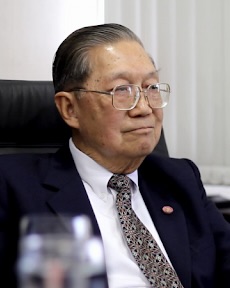
Professor Charas Suwanwela of Thailand was a pioneering figure in neurosurgery and a distinguished leader in the Asian Australasian neurosurgical community. Serving as the 3rd President of the Asian Australasian Society of Neurological Surgeons (AASNS), Professor Suwanwela played a pivotal role in fostering the growth and development of neurosurgery across the region.
One of his most notable contributions was organizing the 4th Asian Australasian Congress of Neurological Surgeons (AACNS), held in Bangkok in November 1975. This landmark event brought together neurosurgeons from across Asia and Australasia, promoting collaboration, knowledge-sharing, and the exchange of innovative surgical practices. The Congress in Bangkok further solidified the AASNS as a unifying platform for advancing neurosurgery in a region with diverse healthcare systems and varying access to resources.
Professor Suwanwela’s leadership and vision were instrumental in shaping the early trajectory of the AASNS. Through his efforts, the Society strengthened its mission to improve neurosurgical care and education across Asia and Australasia, creating a legacy that continues to inspire generations of neurosurgeons.
As a trailblazer in the field, Professor Suwanwela not only contributed to the advancement of neurosurgery in Thailand but also left an enduring impact on the global neurosurgical community. His work exemplified a commitment to excellence, collaboration, and the betterment of patient care.

Dr. Romeo H. Gustilo was recognized as one of the best in neurosurgery during his time. He was the go-to surgeon for brain trauma from an accident, brain tumour or brain malignancy. To have him as one’s surgeon meant better odds of recovery. Families of patients who were in fatal car accidents often felt that their loved one had a fighting chance in the operating room if Dr. Gustilo was the attending neurosurgeon.
Having trained in the prestigious Johns Hopkins Hospital, Dr. Gustilo developed a three-pronged approach to NeurologicalSciences by bringing together Neurology, Neurosurgery and Psychiatry under one cohesive department. Earlier on in 1950, just after he arrived from the USA, he headed the new Section of Neurosurgery at the University of Santo Tomas Hospital which he continued to head until he retired in 1982.
Headed by Dr. Gustilo, the Department of Ethics and Culture in Makati Medical Center was established on May 30, 1990, to bring back “gracious living“ in the past when patients looked upon their doctors with high compliments for their impeccable bedside manners. “Gracious living” was a term referred to as injecting old-world charm in your demeanour and your bedside manner to put your patients at ease and instil their confidence. Aside from the usual teachings on proper bedside manners, the department also provided a venue where doctors could discuss issues regarding their medical practice, including moral and ethical issues brought about by evolving technologies. Almost like a form of group therapy, it was a place where they could also thresh out the physical and emotional effects of their profession.
Dr. Gustilo likewise reached out to Makati Medical Center graduates through the Alumni Association in the hope of rekindling in them a sense of belonging. He had hoped to involve them in focusing on “humaneness,” a very important physician attribute. For Dr. Gustilo, it was vital to teach the new generation of doctors that healing does not only come from medicine and medical treatments but also from showing TLC (tender loving care) which can go a long way in treating terminally ill patients. To strengthen his stand, he made sure that copies of the Hippocratic Oath were sent to all graduates of the hospital and ensured their inclusion in the mailing list of the Makati Medical Center Proceedings, the in-house scientific journal.

Dr. Hsiang-Lai Wen, the first neurosurgeon to establish practice in Hong Kong, was born in Indonesia and completed his neurosurgical training under the mentorship of Francis Grant at the University of Pennsylvania in 1956. That same year, he began his career in Hong Kong at Queen Mary Hospital. By 1959, he transitioned to the Tung Wah Group of hospitals and eventually settled at Kwong Wah Hospital, where he continued his distinguished work.
As President of the Asian Australasian Society of Neurological Surgeons (AASNS), Wen hosted the Congress in Hong Kong from November 20 to 26, 1983. Held at the Excelsior Hotel, the Congress featured a robust scientific program, including notable presentations such as Theodore Rasmussen’s work on epilepsy surgery (Montreal, Canada) and Ralph Cloward’s focus on spinal surgery (Honolulu, Hawaii, USA). The event attracted a significant number of surgeons, including a delegation from the United Kingdom led by John Gillingham of Edinburgh.
A memorable highlight of the Congress was a reception hosted by Gillingham, who was renowned for leading Edinburgh’s Department of Surgical Neurology after Norman Dott’s retirement. Following the Scottish tradition of mentorship, Gillingham trained professionals who went on to make significant contributions worldwide, particularly in the Asian Australasian region.
Wen’s leadership and dedication left a lasting legacy in neurosurgery, not only in Hong Kong but throughout the region.

Professor J. Geoffrey Toakley was a prominent Australian neurosurgeon and a key figure in the organization of the Seventh World Congress of Neurosurgery, held in Brisbane from October 4 to 9, 1987. As President of the Congress, Toakley played a central role in shaping the event, which was hosted in conjunction with the annual scientific meeting of the Neurosurgical Society of Australasia. This landmark gathering marked the first time the World Congress was held in Australia, following a bid supported by Japanese neurosurgeons led by Shozo Ishii and a tight vote in Hong Kong in 1983.
The Congress, themed “The Practice, The Profession, The Future,” attracted over 300 neurosurgeons and featured 291 scientific papers. Held at the Sheraton Hotel in Brisbane, it showcased cutting-edge advancements in neurosurgery, including lectures and presentations by esteemed experts. Highlights included the Douglas Miller Lecture by Douglas Tracy, a close friend of Sir Douglas Miller, and the Ken Jamieson Lecture by Keiji Sano, who presented on surgical approaches to pineal region tumours. Peter Asher from Graz, Austria, introduced developments in laser surgery, highlighting the rapidly evolving state-of-the-art techniques.
A notable attendee was Kemp Clark, World President of the WFNS, marking a significant milestone as the WFNS began to focus more attention on continental neurosurgical groups. The Congress also featured engaging social events, such as a welcoming reception at Brisbane City Hall and a unique Australian-themed evening at the Australian Wool Shed, where Japanese neurosurgeon Takanori Fukushima impressed attendees with his drumming skills.
One of the Congress’s lasting legacies, under Toakley’s leadership, was the strong camaraderie it fostered among Queensland neurosurgeons, creating bonds that endure to this day. J. Geoffrey Toakley’s contributions to Congress and Australian neurosurgery cement his legacy as an influential leader in the field.
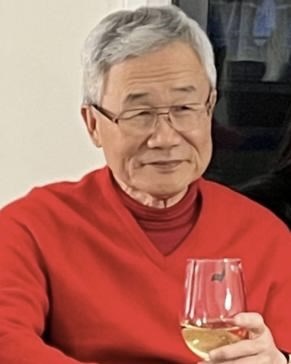
Professor Kil Soo Choi served as the President of the Asian Australasian Society of Neurological Surgeons (AASNS) during the pivotal AASNS Congress held in Seoul, South Korea, from October 6 to 11, 1991. The event, hosted at the Grand Seoul Parnas InterContinental Hotel, attracted 250 delegates and marked a significant step in showcasing the increasing global relevance of the Society.
Under Choi’s leadership, the Congress featured a robust scientific program chaired by Kyu Chung Lee and included lectures from renowned neurosurgeons such as Donald Malis (New York, USA), Albert Rhoton (Gainesville, USA), Majid Samii (Hamburg, Germany), and Mark Rosenblum (Detroit, USA). The Douglas Miller Lecture was delivered by Donald Malis, underscoring the Congress’s commitment to excellence in neurosurgical education and innovation.
The meeting also highlighted international collaboration, with representation from North America, Russia, and Europe. Lindsay Symon, President of the World Federation of Neurosurgical Societies (WFNS) from Queen Square, London, attended, further solidifying the importance of the continental Society on the global stage.
An enduring legacy of this Congress was the establishment of a regular newsletter for the AASNS, with Gopal Baratham and Balaji Sadasivan from Singapore serving as its editors. Kil Soo Choi’s tenure as President exemplified a dedication to advancing neurosurgery and fostering international cooperation, leaving a lasting impact on the AASNS and its members.

Dr. Ching-Chang Hung served as the President of the Asian Australasian Society of Neurological Surgeons (AASNS) during the Congress held in Taipei, Taiwan, from November 5 to 10, 1995. Hosted by the Neurological Society of Taiwan, the event welcomed 800 delegates, including a significant number of participants from the United States and Europe, reflecting the Congress’s growing international reach.
Hung’s leadership, supported by Honorary President Chun-Jen Shih, ensured a successful and vibrant meeting. Esteemed speakers included Armando Basso, president of the WFNS, who delivered an in-depth lecture on invasive pituitary tumours, Hiroshi Abe, who discussed anterior decompression for cervical ossification, and other luminaries such as Lindsay Symon, Majid Samii, and Jacques Brotchi. Hung himself contributed to the scientific program alongside other distinguished speakers like Ossama Al-Mefty, Harold Hoffman, Anthony Raimondi, Harold Rekate, and John Tew.
The Congress not only showcased cutting-edge neurosurgical advancements but also featured memorable cultural and social events. Highlights included a symphony concert at the National Convention Hall adjacent to the Chiang Kai-shek Memorial, featuring performances of Liszt’s works, and a grand twelve-course concluding dinner for 1,200 guests. Chinese acrobats and other entertainment added to the vibrant atmosphere.
Ching-Chang Hung’s presidency during the 1995 Congress underscored his dedication to fostering global collaboration in neurosurgery and promoting the exchange of knowledge within the AASNS community. His contributions to the success of the event solidified his legacy as a key figure in the Society’s history.
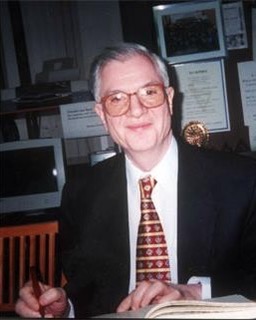
Professor Iftikhar Ali Raja served as the President of the 10th Congress of the Asian Australasian Society of Neurological Surgeons (AASNS), held in Lahore, Pakistan, from November 7 to 12, 1999. His leadership during this challenging period demonstrated remarkable determination and diplomacy. Despite the political upheaval caused by a coup d’état in Pakistan just weeks before the Congress, Raja successfully encouraged representatives from 29 countries to attend, resulting in 402 delegates, including 204 international participants.
The Congress was held at the Pearl Continental Hotel in Lahore, featuring 161 scientific papers presented across 33 sessions. Raja was supported by an organizing committee that included Azim Habib and Ahmad Ali Shah. The Congress facilitated vibrant discussions on neurosurgical advancements while fostering international collaboration.
The social program highlighted Pakistan’s rich cultural heritage, with events such as an evening at Kinnaird College for Women, celebrating a century of women’s achievements in Pakistan, and an open-air concert at the historic Shalimar Gardens, built by Mughal Emperor Shah Jahan. The concert featured performances by a national folk singer and talented children with disabilities, showcasing the nation’s diversity and spirit.
At the executive level, important discussions included the financing of the Continental Society and the implementation of a surcharge for national bodies. Despite ongoing regional complexities, such as the activities of the Asian Congress of Neurological Surgeons, Raja’s presidency navigated these challenges effectively.
Under his guidance, the Congress became a platform for academic excellence, cultural exchange, and camaraderie, leaving an enduring legacy in the history of the AASNS.
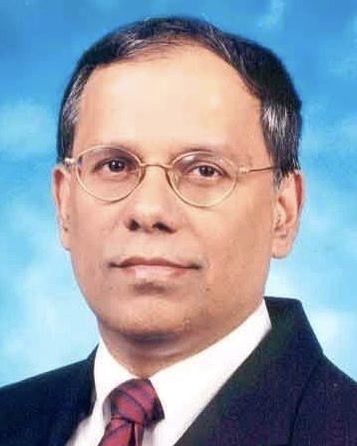
Professor Balaji Sadasivan played a pivotal role in organizing the 11th Congress of the Asian Australasian Society of Neurological Surgeons (AASNS), held in Singapore from November 22 to 26, 2003, amidst the global outbreak of Severe Acute Respiratory Syndrome (SARS). As the Minister of Health and Minister for Transport in Singapore at the time, Sadasivan displayed exceptional leadership and resilience in the face of the crisis. Despite the epidemic causing a significant drop in attendance, with just over 100 delegates, the Congress proceeded successfully.
The Singaporean government’s swift and effective response to SARS, including quarantine measures, widespread thermal screening, and public health campaigns, was a testament to its “can-do” spirit and served as an important subject of Sadasivan’s lecture at the event.
The Congress, hosted at the Raffles City Convention Centre, featured notable plenary sessions, including a discussion on the craniopagus twins, stem cell research in neurodegenerative diseases, and the biology of brain tumours. Sadasivan’s lecture on the SARS epidemic highlighted the country’s comprehensive efforts to contain the virus, which had initially sparked global concern.
Under Sadasivan’s guidance, the Congress also featured significant scientific discussions, including neurodegenerative diseases and cerebrovascular reconstructions. The event included 14 symposiums, covering a wide range of neurosurgical topics. Notable speakers included Richard Faull, who presented on molecular processes in neurodegenerative diseases.
The social program offered delegates a chance to experience Singapore’s unique culture, including an evening junk trip in the harbour and a visit to the nocturnal animals at the Singapore Zoo. Sadasivan’s commitment to both the scientific and social aspects of the Congress left a lasting impact on the attendees, despite the difficult circumstances.
Beyond his contributions to the Congress, Sadasivan’s work in advancing Singapore’s healthcare system and his role in establishing the Department of Neurosurgery and Neurology at Tan Tock Seng Hospital in 1972 were pivotal in transforming Singapore into a key neurosurgical training hub in Asia.
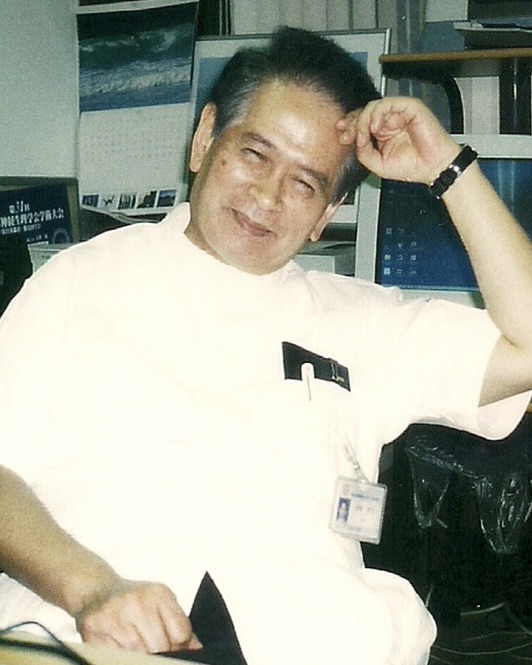
Professor Tetsuo Kanno is a distinguished neurosurgeon who has made significant contributions to the advancement of neurosurgery, particularly in Asia. He served as the President of the 12th Congress of the Asian Australasian Society of Neurological Surgeons (AASNS), which took place from November 18 to 21, 2007, in Nagoya, Japan.
Under his leadership, the Congress became a landmark event for the neurosurgical community in the region, attracting neurosurgeons from various countries and offering a platform for the exchange of knowledge and experience. His presidency came at a pivotal moment for Japanese neurosurgery, as the field was experiencing a period of uncertainty following the retirement of Professor Keiji Sano, a towering figure in the discipline.
Prof. Kanno’s leadership during this transitional phase was instrumental in steering the Congress through these challenges. His vision and dedication were key in shaping the Asian Congress of Neurological Surgeons, an initiative that was financially supported by Toyota and directed by Kanno himself. The Congress provided an invaluable opportunity for neurosurgeons from across Asia, particularly those in regions with limited resources and infrastructure, to come together, learn from each other, and advance their clinical practices. The event not only featured top-tier scientific discussions and presentations but also facilitated the sharing of ideas and techniques that would impact neurosurgical care across the continent.
Kanno’s efforts were pivotal in ensuring that the Congress attracted strong international support, with a diverse range of visiting experts contributing to the scientific program. This international collaboration helped elevate the Congress to new heights, transforming it into an influential event that shaped the development of neurosurgery in Asia. Furthermore, his work in organizing the Congress played an essential role in bridging regional gaps in access to neurosurgical education, research, and resources, thereby helping to elevate the standard of care in countries with fewer resources.
Prof. Kanno’s leadership and vision have had a lasting impact on the field of neurosurgery, particularly in Asia. His efforts not only helped navigate the challenges faced by Japanese neurosurgery during a time of transition but also contributed significantly to the global neurosurgical community by fostering greater international cooperation and advancing education in the field. His legacy continues to be felt in the ongoing development of neurosurgical practices across Asia, as well as the strengthening of ties between regions that were previously less connected in terms of knowledge exchange and professional collaboration.
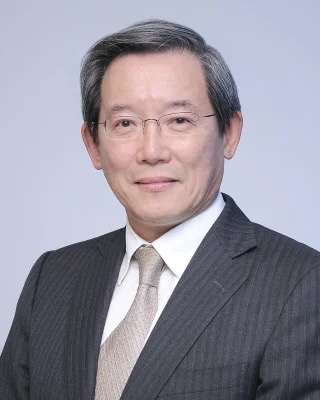
Professor Yong-Kwang Tu is a distinguished neurosurgeon who played a key role in advancing the global neurosurgical community as the President of the 13th Congress of the Asian Australasian Society of Neurological Surgeons (AASNS), held from December 1 to 4, 2011, at the Taipei International Convention Centre. This significant event attracted over a thousand delegates from 34 countries, making it one of the largest gatherings in the field of neurosurgery.
The Congress not only showcased the latest advancements in neurosurgical practices but also facilitated the election of key leaders within the AASNS. Professor Andrew Kaye was elected as the incoming President, with V.K. Jain from New Delhi, India, and Kazuhiro Hongo from Matsumoto, Japan, named vice president. Dr. Basant Misra from Mumbai, India, was appointed Treasurer, while Wan-Tew Seow from Singapore was elected Secretary General. Additionally, Kyu-Sung Lee from Seoul was selected to be the President of the 14th Congress, which was set to be held in 2015 on Jeju Island, Korea.
Under Prof. Tu’s leadership, the AASNS further cemented its position as the largest continental society of neurological surgeons worldwide. At that time, the organization represented over 20,000 neurosurgeons from 28 countries, accounting for 60% of the world’s neurosurgeons and serving 60% of the global population. This broad reach and influence helped strengthen the society’s role in promoting neurosurgical education, research, and collaboration across Asia and beyond.
Prof. Tu’s presidency marked a pivotal moment for the AASNS, as the organization continued to expand its impact, foster international cooperation, and further its mission of advancing neurosurgical care and education globally. His leadership and the success of the 13th Congress were instrumental in ensuring the continued growth of the society, reinforcing its status as a central pillar in the global neurosurgical community.
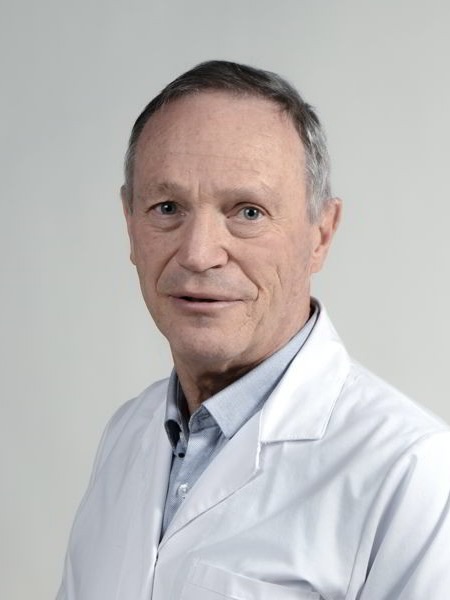
Professor Andrew Kaye is a renowned expert in complex skull-based surgery, with over two decades of leadership experience as the head of the Department of Neurosurgery at Australia’s Royal Melbourne Hospital and the Surgery Department at the University of Melbourne.
At the age of 70, Prof. Kaye relocated to Israel with his wife, Yehudit, where he became the Director of Neurosurgery Resident Training at the Hadassah Medical Organization. This move was not his first connection with Hadassah; a decade earlier, he spent a sabbatical in Israel researching genetic changes in brain tumours and has since returned annually to volunteer in their neurosurgery department.
Prof. Kaye specializes in the delicate and challenging procedure of removing tumours from the brain stem, an area critical to vital functions like cardiac and respiratory control. Tumours in this region often grow slowly, making early detection difficult, and their removal carries significant risks due to their proximity to essential nerves. His work in this field is both groundbreaking and complex, requiring a deep understanding of the brain’s intricate anatomy.
In addition to his surgical expertise, Prof. Kaye is dedicated to advancing the next generation of neurosurgeons. He is the author of Brain Tumours, a comprehensive text on the subject, and co-chairs the education committee of the Israeli Neurosurgery Society. He has also published multiple papers, including work on developing blood tests for diagnosing brain tumours.
Prof. Kaye’s commitment to Hadassah and Israel is unwavering. He views himself as an old-fashioned Zionist and believes that, in light of the challenges posed by the COVID-19 pandemic, it is critical for global communities—especially the Jewish Diaspora—to support Hadassah’s life-saving work. He emphasizes the need for financial and spiritual generosity to ensure that Hadassah continues to be a cornerstone of Israel’s health system, serving people of all communities.
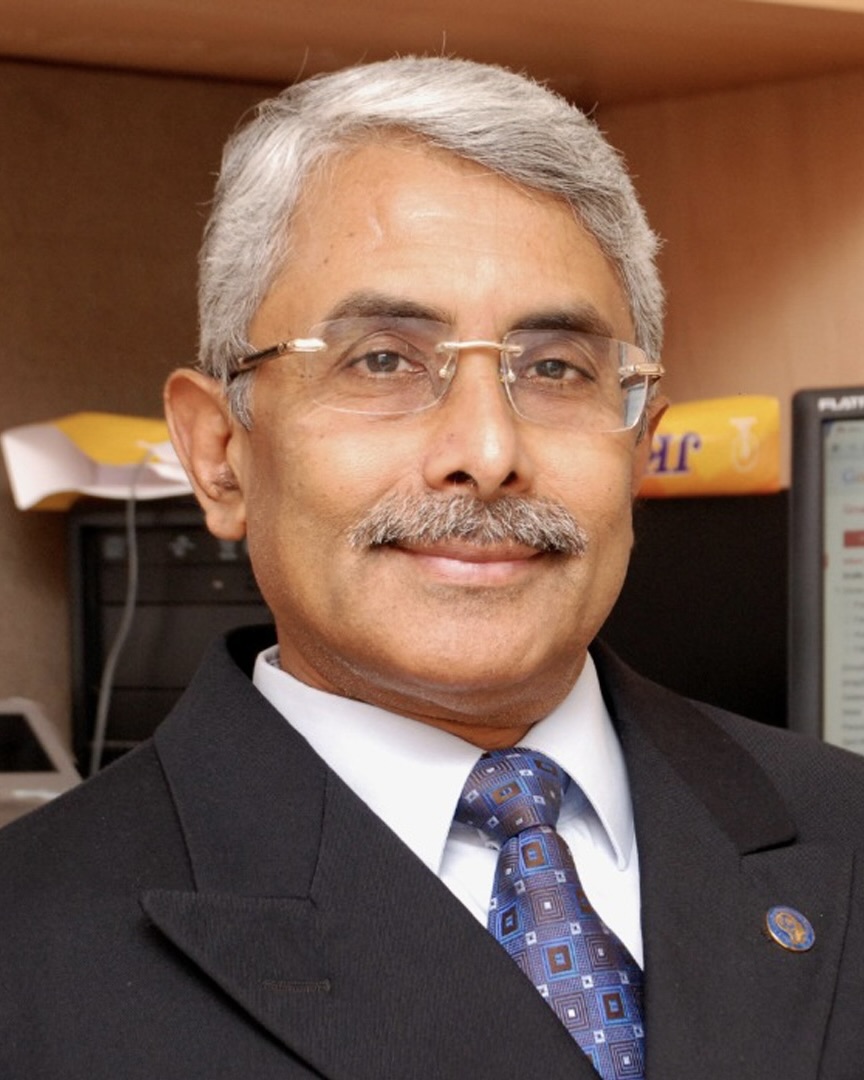
Professor Basant Kumar Misra is a distinguished and highly accomplished neurosurgeon, renowned for his expertise in the treatment of brain, spine, cerebrovascular, and peripheral nervous system disorders. Throughout his illustrious career, he has made pioneering contributions to the field, including the development and refinement of advanced techniques such as image-guided aneurysm surgery, stereotactic radiosurgery, awake craniotomy, and endoscopic spinal surgery.
These innovations have played a crucial role in enhancing the precision and safety of neurosurgical procedures, improving patient outcomes, and advancing the overall practice of neurosurgery.
Throughout his career, Prof. Misra has held numerous prestigious leadership positions, highlighting his influence and dedication to the growth of neurosurgery. He served as the President of both the Asian Australasian Society of Neurological Surgeons and the Neurological Society of India. His leadership in these roles has significantly shaped the development of neurosurgical practices in the region and globally. Prof. Misra’s outstanding contributions to the field of medicine have earned him the Dr B. C. Roy Award, India’s highest medical honour, further cementing his legacy as a leading figure in neurosurgery.
In addition to his clinical expertise, Prof. Misra has been a prolific author, contributing more than 200 peer-reviewed publications to the field of neurosurgery. His research and academic work have had a lasting impact on the advancement of neurosurgical knowledge, fostering greater understanding and new treatment approaches for complex neurological conditions. Prof. Misra is deeply committed to advancing neurosurgical education, both in India and internationally, ensuring the next generation of neurosurgeons is well-equipped to continue pushing the boundaries of the field.

Associate Professor Seow Wan Tew is a highly respected pediatric neurosurgeon in Singapore, recognized for his clinical expertise, leadership, and contributions to neurosurgical education. He serves as a Senior Consultant in the Department of Neurosurgery at the National Neuroscience Institute (NNI) and KK Women’s and Children’s Hospital (KKH). His leadership roles have included heading the neurosurgery departments at both institutions, underscoring his dedication to advancing neurosurgical care.
A/Prof Seow is deeply committed to neurosurgical education, playing a pivotal role in postgraduate training at NNI. He is a member of the Residency Advisory Committee for Neurosurgery in Singapore and the Joint Committee on Specialist Training (JCST) Exit Examination Committee for Neurosurgery. Additionally, he serves as an Adjunct Associate Professor at Duke-NUS Medical School, where he mentors the next generation of neurosurgeons.
Internationally, A/Prof Seow has made significant contributions to the field of pediatric neurosurgery. He served as the President of the International Society for Pediatric Neurosurgery (ISPN) for the 2022–2023 term and as the President of the Asian Australasian Society of Neurological Surgeons (AASNS) from 2019 to 2022. In these roles, he worked to advance global collaboration, education, and research in neurosurgery. As Chair of the Education Committee for the ISPN, he contributed to developing educational programs that benefited neurosurgeons worldwide.
A/Prof Seow has also been instrumental in organizing major international conferences, including chairing the 48th ISPN Meeting in Singapore in December 2022. These events have facilitated knowledge-sharing and fostered innovation in neurosurgery on a global scale.
Through his dedication to pediatric neurosurgery, education, and leadership, A/Prof Seow has significantly advanced neurosurgical care and training, leaving a lasting impact in Singapore and beyond.